Kraft paper came up as the hero behind impressive product displays that attract eco-conscious customers. Well, there’s no doubt that kraft packaging has been a favorite for its remarkable strength and simplicity, perfect for businesses seeking eco-friendly solutions. But what makes kraft different from the regular paper? How was it originated? What are the benefits of choosing kraft packaging for your business? Let’s explore the answers to all these questions!
What Is Kraft Paper?
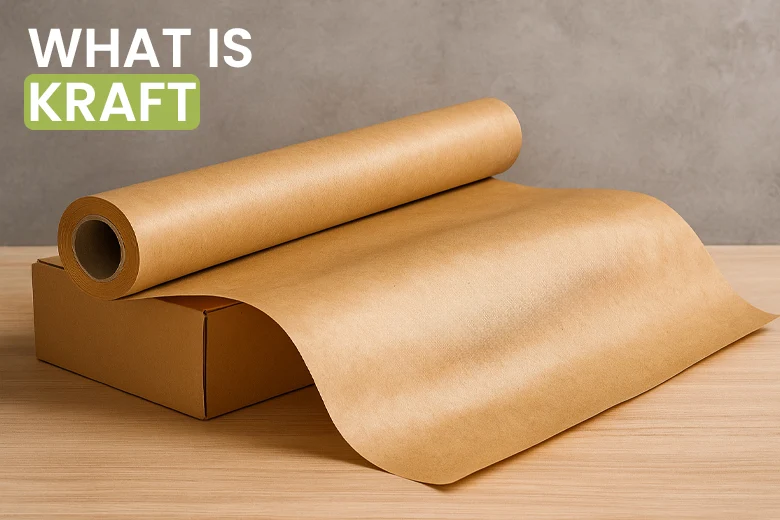
Kraft paper is a type of paper that is produced from wood pulp, particularly from durable fibers found in softwood trees like pine and spruce. The paper was invented in 1879 by a German named Carl Dahl. He chose to give his newly created paper the name “kraft,” which is a German word that means “strength.” The name reflects the paper’s high strength and durability, which is a key characteristic of kraft.
What Is Kraft Paper Made of?
The invention of natural kraft paper was quite interesting, actually. Born unintentionally, Carl Dahl combined the wood pulp and chemical treatments. The aim was to create a type of paper that withstands significant wear and tear. So, if you’re questioning: what is kraft color? It will be, of course, brown, just the same as the virgin pulp or natural wood fiber.
How Is Kraft Paper Made?
Now, let’s explore the production process of how Mr. Dahl produced the kraft paper. Carl Dahl proposed a method for converting waste wood chippings into valuable wood pulp by soaking them in a solution of sodium sulfate and sodium hydroxide. Accordingly, the process had the effect of separating the cellulose and lignin fibres of which wood is composed by removing the hydrogen bonds that give wood its structure.
Although this entire process has succeeded in separating the lignin and the cellulose, it didn’t remove them all entirely. Some lignin remained in the paper pulp mixture, and the mixture also contained a significant amount of sulfur. Together, these components enhance the strength of kraft paper. Ultimately, this is how kraft paper remains highly strong and durable.
What’s the Difference between Kraft and Regular Paper?
The difference between kraft paper and regular paper lies primarily in their manufacturing process, strength, and intended uses.
Kraft paper is made using a stronger, chemical-intensive process that results in a more durable and tear-resistant product, often used for modern custom packaging.
Regular paper, on the other hand, is made through a less intensive process, resulting in a thinner, smoother, and more versatile paper suitable for writing and printing.
In simple words, kraft paper prioritizes strength and durability, while regular paper prioritizes a smooth surface and versatility for writing and printing.
What Is Kraft Paper Used for?
Before discussing the uses of kraft paper, it is first necessary to note that kraft is graded and measured by weight (gsm) and thickness (mm). The standard grades of kraft range from 40 gsm to over 200 gsm. Meanwhile, the thicknesses range from 0.1 mm to 0.6 mm. The weight and thickness are directly related, with higher GSM meaning thicker and stronger paper. Accordingly, due to the different grades and thicknesses, kraft is used for various applications.
- Custom Packaging
Its high durability makes kraft paper an ideal choice for packaging a wide range of products, including retail items, e-commerce products, and food items.
- Brand Marketing
Business cards and labels made of natural brown kraft present a sustainable business image.
- DIY Projects
Kraft is also ideal for DIY projects, such as gift wrapping, crafts, or invitation cards.
Why Choose Kraft Paper for Packaging?
Kraft Paper has long been a standard in product packaging for one reason: it works very well. Today, many businesses prefer to use kraft paper for packaging their products, and there are several good reasons for this. Moreover, two-thirds of customers believe that paper packaging is superior to other materials. Thus, kraft paper is worth investing in when you’re a product-based brand.
Apparently, choosing custom kraft boxes benefits businesses in many ways.
Environmentally Friendly
The first and most important benefit when discussing kraft packaging is its eco-friendly nature. Is kraft paper eco-friendly? Yes. Is kraft paper compostable? Yes. Choosing kraft means you’re creating packaging that is safe for your product, customers, and environment—all while performing sustainable business practices.
High Durability
Kraft paper can withstand heavy loads without tearing.
Flexibility
Kraft is highly flexible, allowing it to be shaped, cut, and formed into various sizes and shapes, making it ideal for packaging a wide range of products.
Branding Possibilities
The material is printable with different methods, including offset and digital printing techniques. Thus, every corner of a kraft box acts as a blank canvas for branding possibilities.
Cost-Effectiveness
Kraft paper is considered more cost-effective than other types of materials. Therefore, the material is preferred for creating corrugated boxes and has recently been trusted as the primary material for folding cartons.
Moisture Resistance
It features natural breathability, which benefits various applications. Better yet, kraft paper allows moisture to escape, preventing the build-up of condensation that could damage your products inside.
The Different Types of Kraft Paper
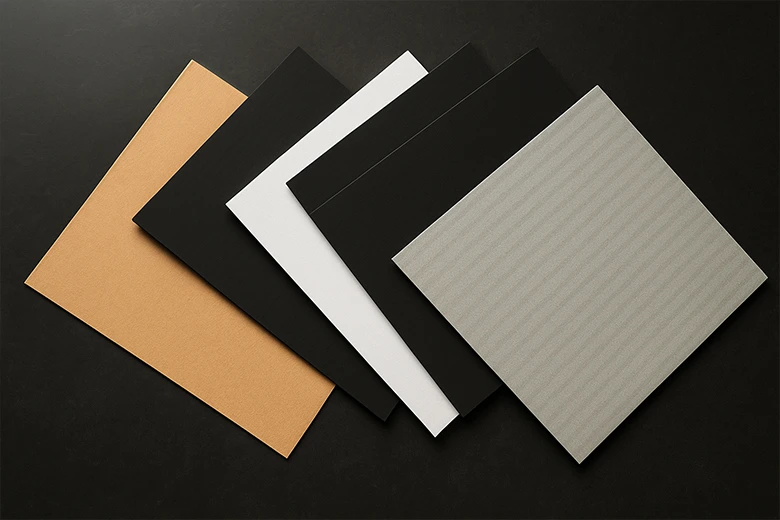
Depending on the types of products and packaging purposes, there are different types of kraft paper to choose from.
- Coated Unbleached Kraft (CUK)
As the name suggests, there is no ‘bleaching’ or further chemicals when producing this type of kraft paper. Also known as Solid Unbleached Sulfate (SUS), it consists of 80% virgin wood pulp with excellent tear resistance and a high degree of stiffness
- Solid Bleached Kraft Paper (SBS)
SBS offers a smoother surface and brighter appearance, which can enhance printing quality and provide a more premium look and feel.
- Coated Recycled Board (CRB)
This recycled kraft paper is a cost-effective packaging substrate ideal for instances where strength is not a primary requirement.
Famous Brands That Choose Kraft Packaging
Offering all the amazing benefits, kraft packaging ends up being the shining star when it comes to presenting any product impressively.
Here are some real-life examples of famous brand names that choose custom kraft boxes.
- H&M: The renowned clothing brand uses unique kraft shopping bags that can be transformed into clothing hangers.
- L’Oreal: This popular cosmetic brand relies on kraft packaging to present a professional identity while enhancing its customer experience.
- Scandinavian Airlines: The airline company uses lightweight, recyclable kraft paper for food packaging to serve in-flight meals.
Wrapping Up
There’s no doubt that Kraft packaging has been a favorite due to its remarkable strength and simplicity, making it an ideal choice for businesses seeking eco-friendly solutions. Choosing kraft means you’re creating packaging that is safe for your product, customers, and environment—all while performing sustainable business practices.
Interested in following those famous brands and starting to use custom kraft boxes? Feel free to contact the professionals at Pack Legacy!
FAQs
What is kraft paper?
Kraft paper is a type of paper that is produced from wood pulp, particularly from durable fibers found in softwood trees like pine and spruce.
What’s the meaning of kraft?
The ‘kraft’ name reflects the paper’s high strength and durability, which is a key characteristic of kraft.
What’s the difference between kraft and regular paper?
Kraft paper prioritizes strength and durability, while regular paper prioritizes a smooth surface and versatility for writing and printing.
Why choose kraft paper for custom packaging?
Kraft paper packaging offers numerous benefits, including its environmental friendliness, durability, flexibility, cost-effectiveness, and moisture-resistant properties.