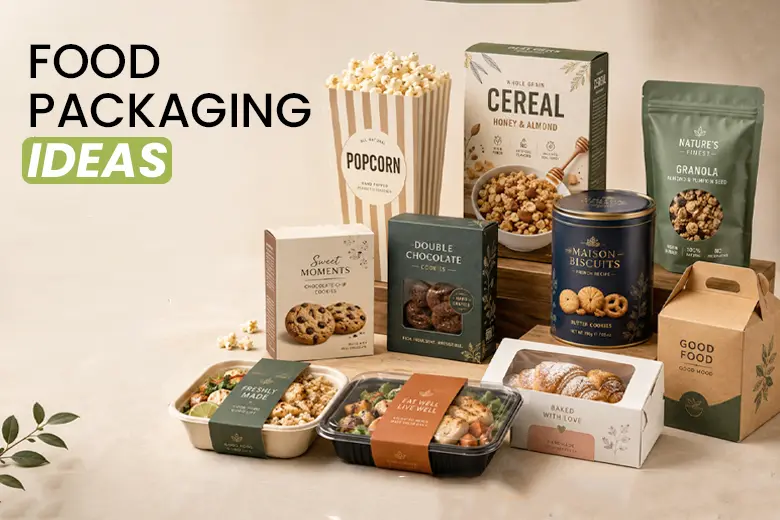
The recent surge in food businesses shows that the food industry has more potential to succeed than any other because demand for food never ends. The food industry is evolving fast and is the world’s largest manufacturing sector.
If you are thinking of starting your own restaurant or already have one, there is one thing you shouldn’t overlook: food packaging.
Yes. You heard that right. Packaging is a key factor in the food industry because it helps customers learn more about the brand and the product.
Food packaging also helps keep food items fresh, warm, and flavorful for longer.
In this detailed guide, I will walk you through the top 10 food packaging ideas to help you develop custom packaging solutions for your food brand.
Let’s dig in.
Food Packaging Ideas
Over the past 6 years, I have seen a lot of change in the food packaging industry. To make your food packaging journey easier, I have compiled 10 food packaging ideas that will get the attention your food brand deserves.
Here are the top 10 food packaging ideas:
1. Playful Food Packaging
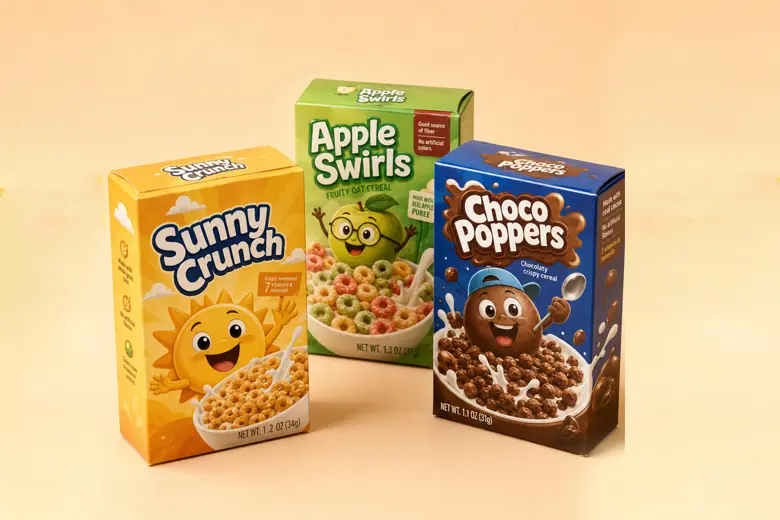
Food is something people of all ages cherish, and most of the target audience attracted to food items are teenagers or kids. To make things interesting and catch their attention, it is best to design playful food packaging.
A playful design lets kids interact with your product and encourages parents to buy it. Take an example of cereal boxes. Cereal is something that can be found in everyone’s house, as it is the famous breakfast of all time.
Most famous cereal companies, like Kellogg’s, design their boxes to be playful, which helps them attract kids and leave a lasting impression. They also design packaging that kids can use during playtime.
2. Vintage Food Packaging
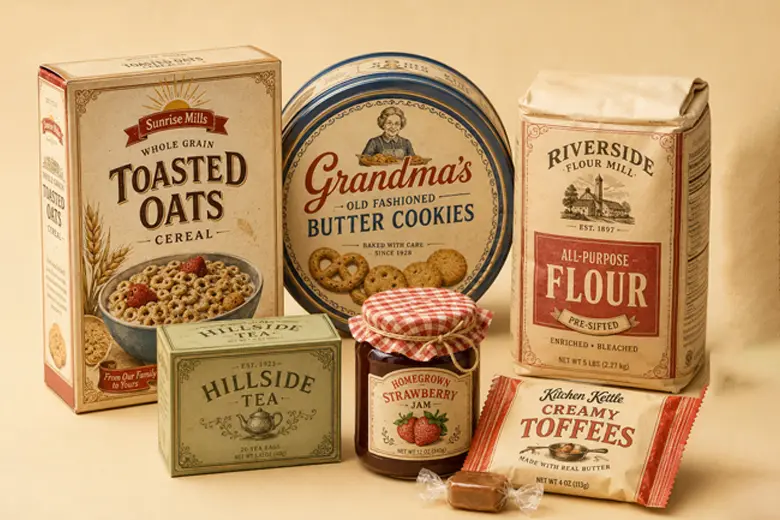
As the name suggests, vintage food packaging uses retro designs inspired by the past. It creates a nostalgic feeling and reminds customers of familiar brands and traditional products. This packaging style can make your food products feel trusted, authentic, and memorable.
Vintage designs often use classic colors, fonts, illustrations, and patterns to create an old-fashioned look. This approach can attract customers who appreciate traditional styles and encourage previous customers to reconnect with your brand and choose your products again.
3. Seasonal Themed Food Packaging
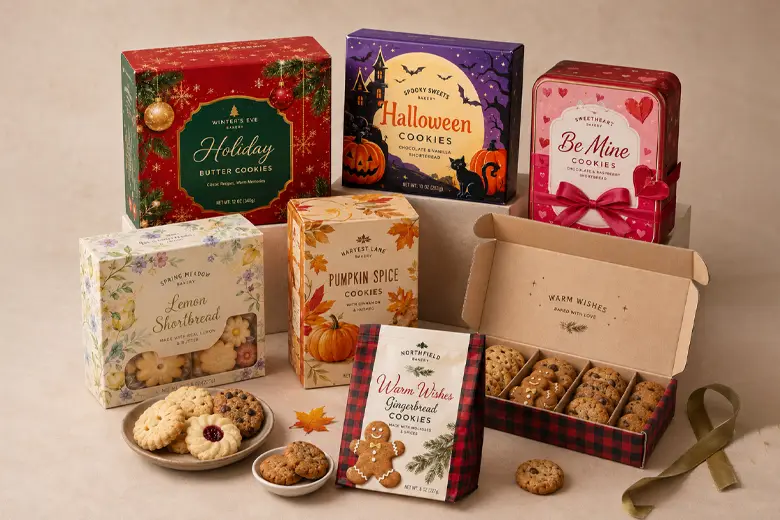
Seasonal themed food packaging uses designs inspired by holidays, seasons, and special occasions. It helps brands make their products feel timely, exciting, and relevant to customers.
For example, cookie boxes can feature Christmas, Halloween, or Valentine’s Day designs. Businesses can use festive colors, illustrations, patterns, and seasonal elements to create an attractive appearance.
Seasonal packaging can also create excitement and encourage customers to purchase limited-edition products. This approach helps food products stand out while giving customers a memorable experience.
4. Movie-Themed Food Packaging
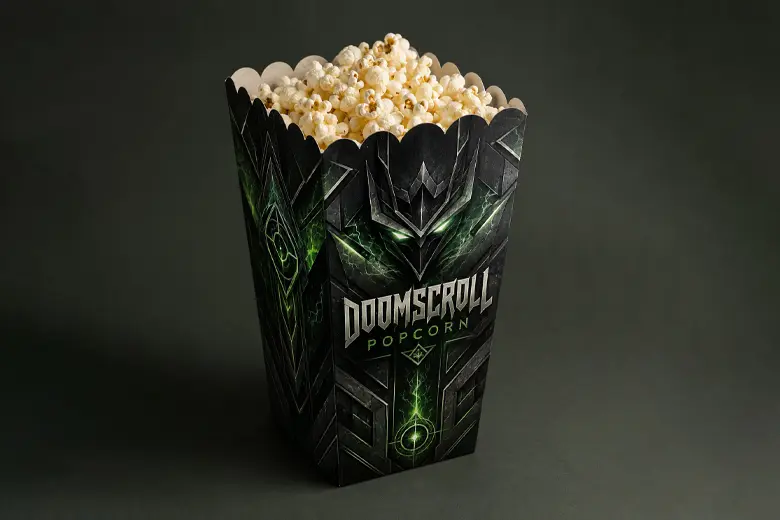
Movie-themed food packaging uses designs inspired by popular movies, characters, or fictional worlds. This packaging style can attract fans and make food products more exciting and recognizable.
Popcorn boxes are a great example of movie-themed packaging, especially in cinemas. Brands can use movie characters, colors, scenes, and other licensed elements to create eye-catching designs.
This approach works well for children, teenagers, and movie fans. It can also create excitement around products and encourage customers to engage with the packaging.
5. Custom Food Packaging
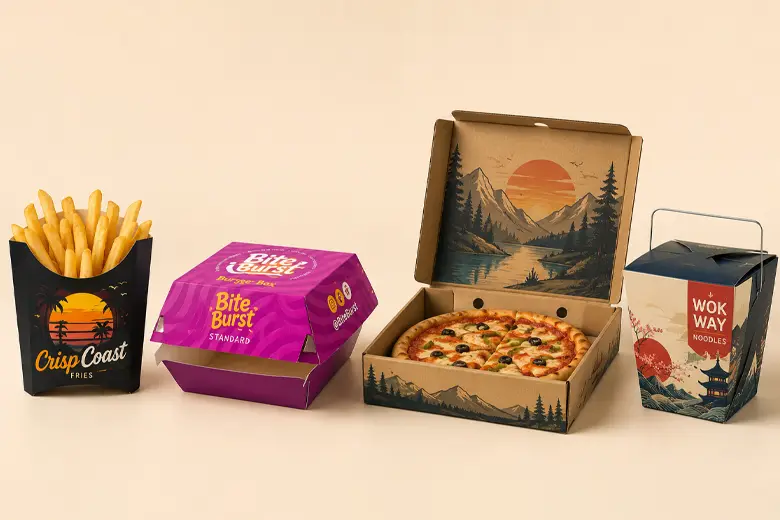
In recent years, many food companies have customized their packaging to meet the needs of the product it will hold.
Custom food packaging is one of the most popular packaging ideas in the food industry, as it lets food brands customize packaging for various items to meet their unique requirements.
Great examples of custom food boxes are as follows:
By customizing packaging for different products, they not only ensure a perfect fit but also strengthen their brand identity with buyers.
6. Smart Packaging
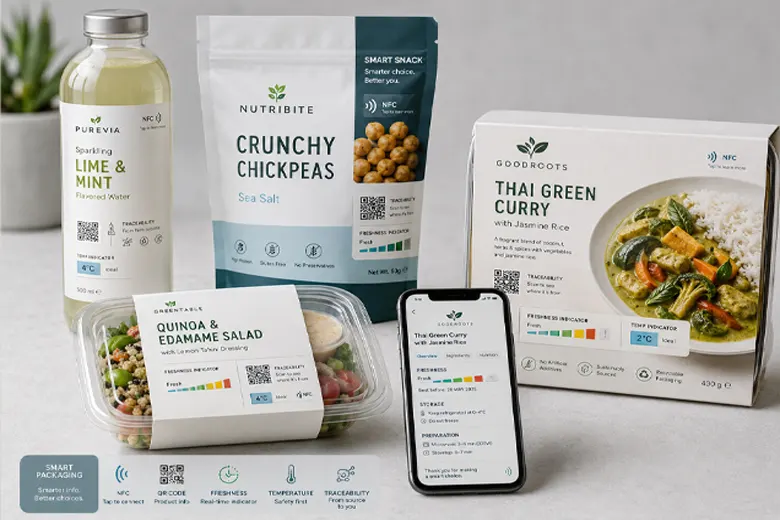
Smart packaging uses technology to make food packaging more useful and interactive. It can provide customers with information about freshness, safety, product details, or storage conditions.
Some smart packaging uses QR codes, sensors, or temperature indicators to improve the customer experience. For example, a food package can include a QR code that takes customers to product information or preparation instructions.
This packaging style can also help brands connect with customers and provide useful information beyond the traditional packaging experience.
7. Tin Food Packaging
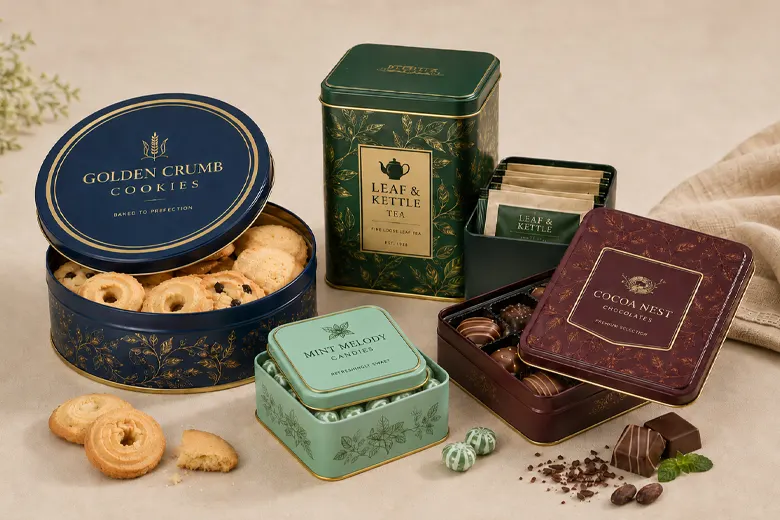
Tin food packaging is made from durable metal and is commonly used for products that need strong protection. It helps protect food from moisture, light, air, and other external factors. Tin packaging is often used for cookies, candies, chocolates, tea, and other food products.
It can also be reused after the food is finished, making it a practical packaging option. Brands can customize tin containers with printed designs, logos, and colors to create attractive packaging that stands out on shelves.
8. Edible Packaging
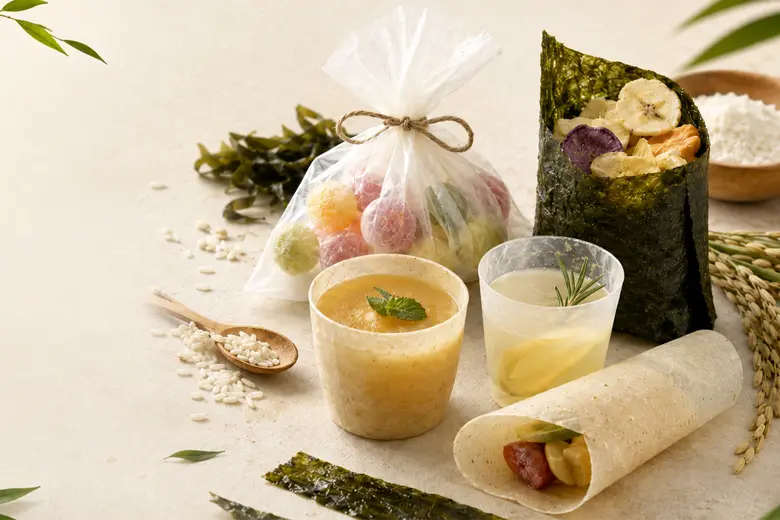
Edible packaging is designed to be consumed along with the food product. It uses edible materials that can safely surround or hold food without creating traditional packaging waste.
This packaging can be made from ingredients such as seaweed, starch, rice paper, or other food-based materials. Edible packaging is often used for candies, snacks, beverages, and other food products.
It offers a unique customer experience and can help brands explore more creative packaging solutions while reducing the need for conventional packaging materials.
9. Flexible Packaging
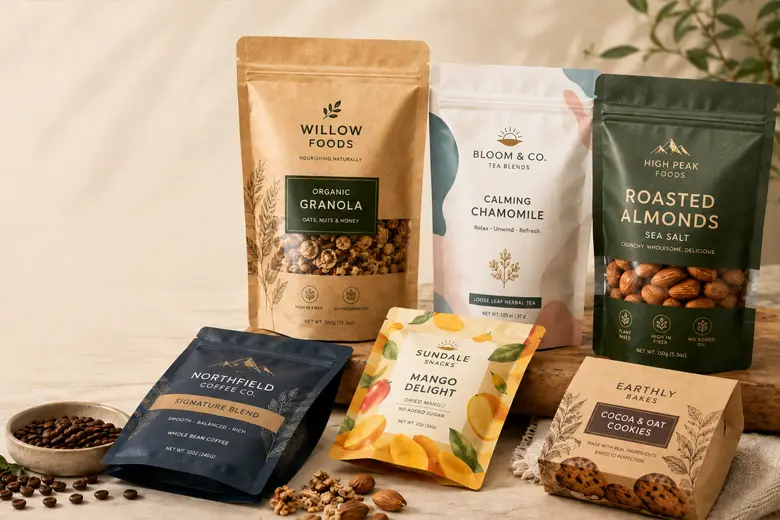
Flexible packaging is made from materials that can bend, fold, or take different shapes. Common materials include cardboard, paperboard, and BOPET, depending on the product and packaging requirements.
Kraft bags and Mylar bags are common examples of flexible food packaging. This packaging style is lightweight, easy to store, and suitable for many food products.
Flexible packaging can also be customized with printed designs, logos, colors, and finishes. It offers brands a practical way to protect products while creating attractive packaging.
10. Artistic Food Packaging
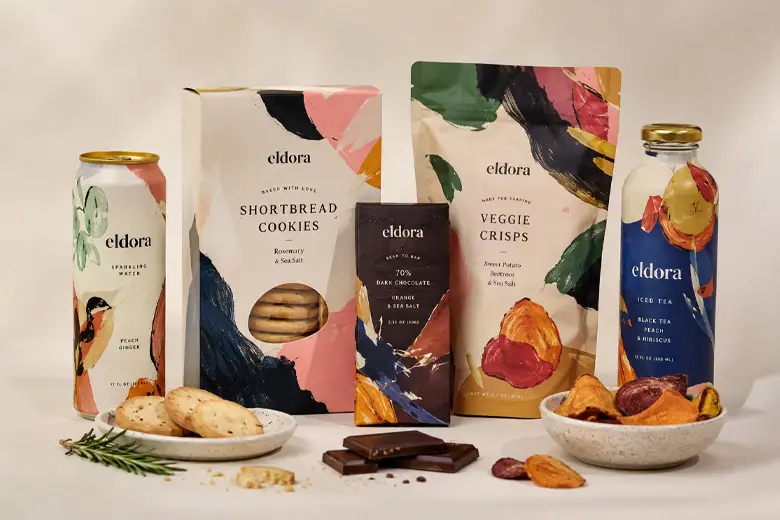
Artistic food packaging focuses on creative designs, illustrations, colors, and visual elements that make products stand out. Instead of using simple packaging, brands use artistic concepts to create a unique appearance and attract customer attention.
This style works well for cookies, chocolates, snacks, beverages, and other food products. Creative artwork can also communicate a brand’s personality and make packaging more memorable.
Artistic food packaging is especially useful for brands that want to create a distinctive identity and offer customers an appealing product experience.
Food Packaging Ideas for Startups
Along with the top 10 food packaging ideas, I have also listed the 4 unique packaging ideas for startups that are cost-effective yet equally persuasive in attracting customers.
Here are the food packaging ideas for startups:
1. Minimalistic Design with Bold Typography
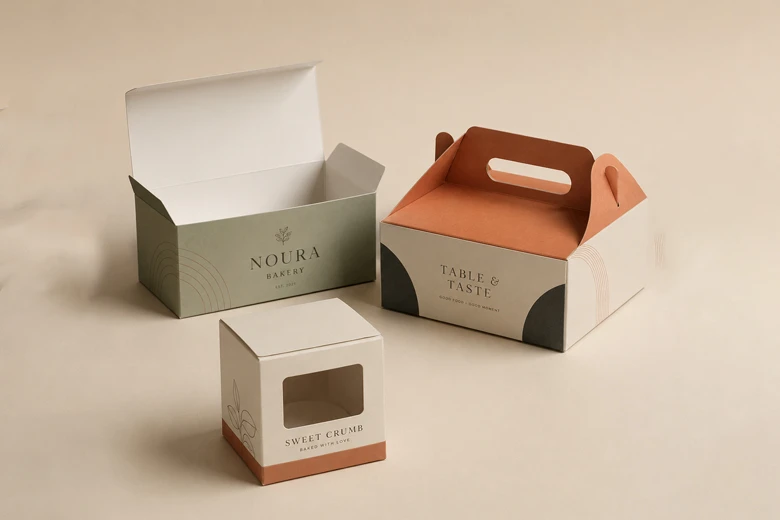
Minimalistic packaging uses clean layouts, simple colors, and bold typography to create a strong visual identity. Startups can use this approach to make their products look modern and professional without spending heavily on complex designs.
Clear typography can highlight the brand name, product details, and key features. This style also helps products stand out on crowded shelves while creating a clean and memorable appearance that customers can easily recognize.
2. Reusable Packaging
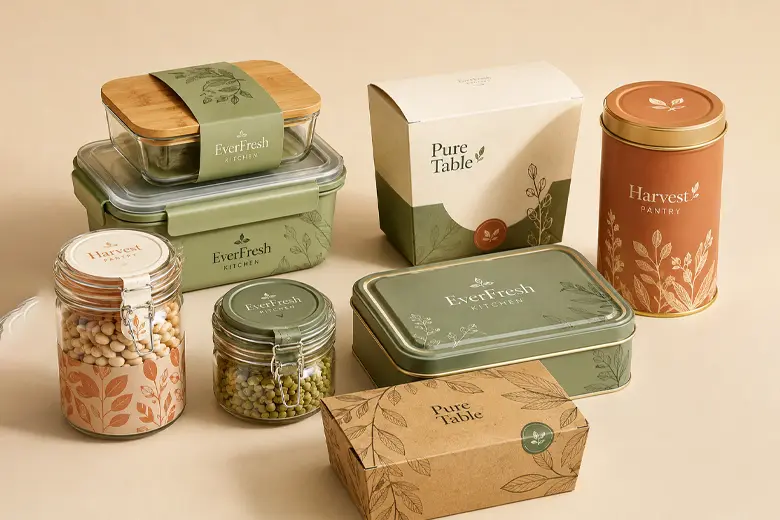
Reusable packaging allows customers to use the package again after consuming the food. Startups can use containers, jars, tins, or durable boxes that serve additional purposes.
This approach can add value to the product and encourage customers to keep the packaging instead of throwing it away.
Reusable packaging can also strengthen brand recognition when customers continue using packages featuring the company logo, colors, and other branding elements.
3. Food Trays
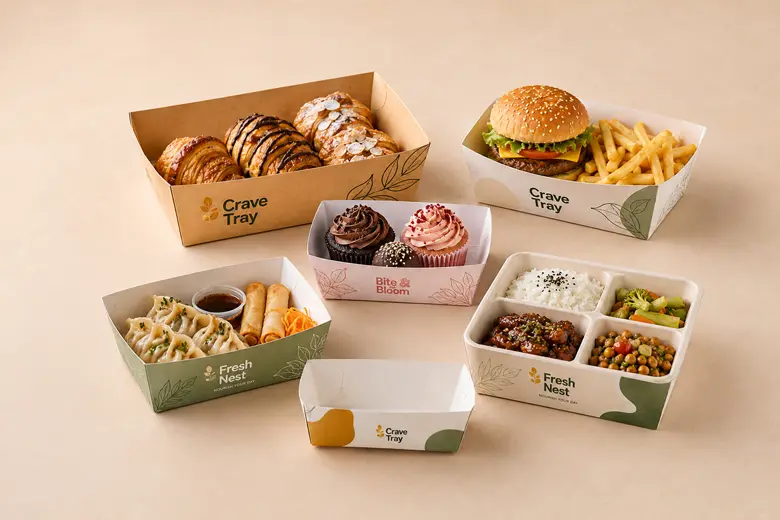
Food trays provide a practical way to package, display, and serve different food products. They are commonly used for bakery items, snacks, fast food, desserts, and ready-to-eat meals.
Startups can customize trays with their logo, brand colors, and printed designs to create a professional appearance. Food trays are also easy to handle and can help organize products neatly. Their simple structure makes them a cost-effective option for growing food businesses.
4. Food Wraps
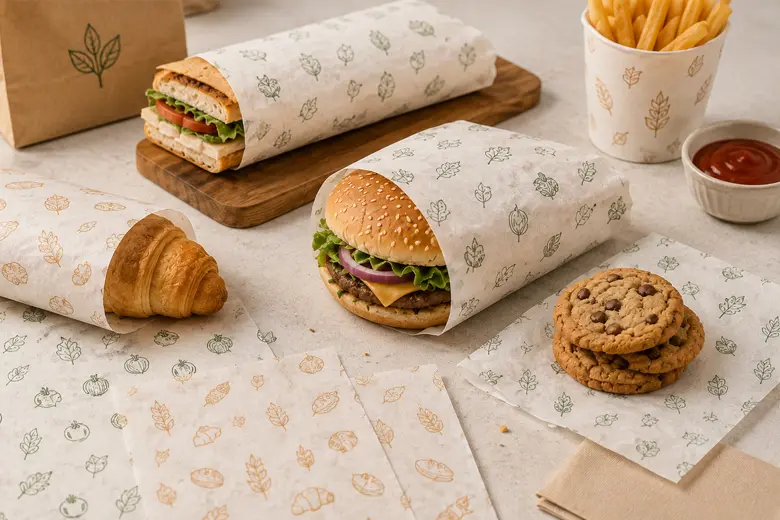
Food wraps are a simple and affordable packaging option for startups selling sandwiches, burgers, bakery products, snacks, and other foods.
They help protect food from dust, moisture, and direct contact while making products easier to carry. Startups can print wraps with their logo, colors, patterns, or brand message.
This creates a branded presentation without requiring expensive packaging structures. Food wraps are also lightweight, easy to store, and suitable for high-volume food businesses.
Conclusion
Choosing the right food packaging can help your brand attract customers and build recognition. From playful and seasonal designs to smart and flexible packaging, each option offers unique benefits. Startups can also choose affordable solutions like food wraps, trays, and reusable packaging.
The key is to select packaging that protects your food while matching your brand identity. With the right food packaging ideas, you can create a memorable customer experience and make your products stand out.
Have something unique in mind for your food boxes? Let the experts at Pack Legacy help you bring your vision to life. Contact us today and get affordable rates and free shipping.