Have you ever walked into any retail store, and there are some products that grab your attention as soon as you enter the shop, while others fade into the background? The main difference that makes it happen is the presentation.
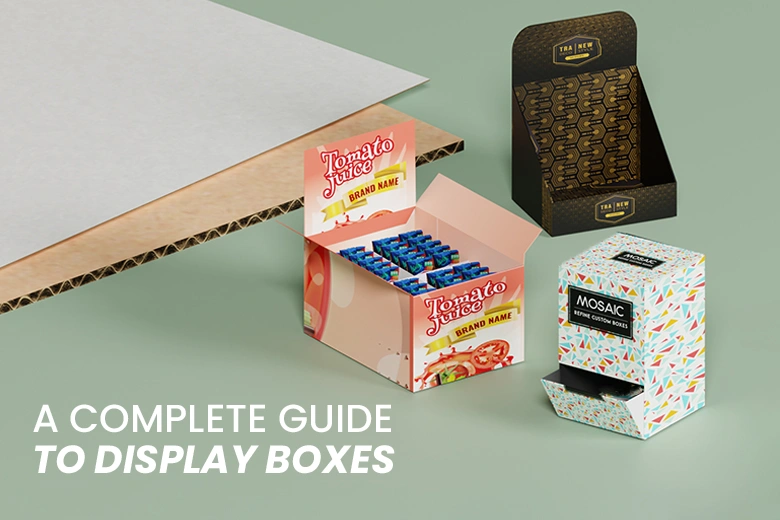
Display boxes play a more important role than just holding your products. They are a strategic retail tool designed to showcase products, improve visibility, and drive grab-and-go purchases. Whether sitting on a checkout counter or standing tall in an aisle, the right display box can quietly affect the buying decisions of your customers in powerful ways.
We have noticed many brands struggle with their products being overlooked on crowded retail shelves. The solution to their biggest retail challenges is to get noticed with display boxes. If your product blends into the shelf or fails to attract attention, it does not matter how great your product is; it will struggle to sell. The good part is, with the right display box, you can improve visibility, highlight your product effectively, and create a stronger in-store presence that drives more purchases.
In this guide, we will break down everything you need to know about display boxes, from types and materials to design strategies and real-world benefits.
What Are Display Boxes?
Display boxes are designed packaging that acts like a stage that presents your products like a star that looks appealing and feels easy for customers to interact with in a retail setting. It is not like standard packaging, which mainly focuses on protecting the product. Display boxes are created to actually showcase it and draw attention.
Their main purpose is simple. They help your product stand out on shelves or counters while also making it easy for customers to see it and pick it up without any effort. This combination of visibility and accessibility plays a big role in how people decide what to buy, especially in busy stores where many products are competing for attention.
You will usually find display boxes in supermarkets, convenience stores, cosmetic shops, pharmacies, and large retail chains. They work especially well for small to medium-sized products like snacks, lip balms, accessories, and wellness items, where neat presentation and easy access can quickly turn interest into a purchase.
Why Display Boxes Matter in Retail Packaging?
According to the current state of the competitive retail market, if you simply have a great product and think it is enough, that is not true. The fact is, how you present your product can make or break a sale.
Here are the reasons why display boxes play such an important role:
Boost Product Visibility
Retail shelves are crowded with so many products. Display boxes upgrade your product both literally and visually. This makes it easier for customers to notice it among competitors.
Encourage Impulse Buying
Have you ever grabbed something near the checkout that you did not plan to buy? That is the power of a well-placed display box. Its strategic placement and appealing design can trigger spontaneous purchases.
Improve Shelf Organization
Display boxes keep products neatly arranged. They help your product avoid getting lost in a mess and make restocking easier for retailers.
Strengthen Brand Presentation
A well-designed display box acts as a mini billboard for your brand. It shows quality, identity, and professionalism from the very first look.
Types of Custom Display Boxes
Custom Display boxes come in a wide range of styles. Each style is designed for specific retail environments and customer interactions. Choosing the right type depends on where your product will be placed and how customers will engage with it.
Cardboard Countertop Display Boxes
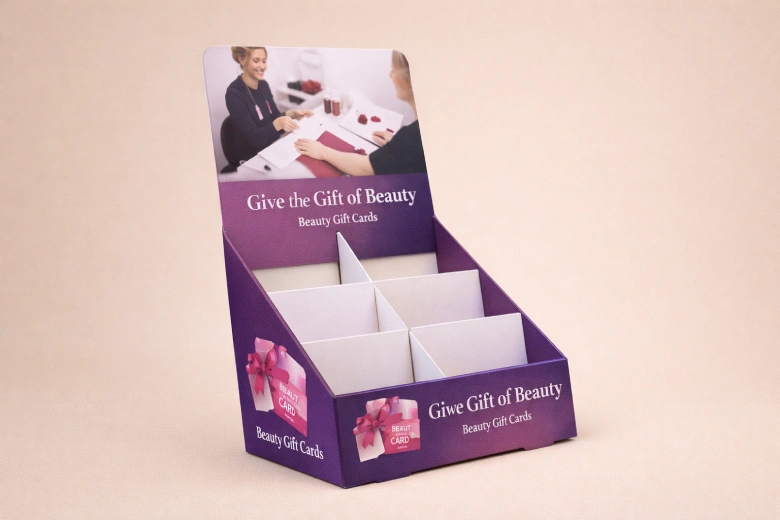
Cardboard Countertop display boxes are small-sized but well-arranged display units. They are specifically designed to sit near checkout counters or cashier areas, where customer attention is naturally close.
You can commonly see countertop displays used for items like candies, lip balms, travel-size products, and small accessories. In short, products that are easy to grab without much thought.
Floor Display Boxes
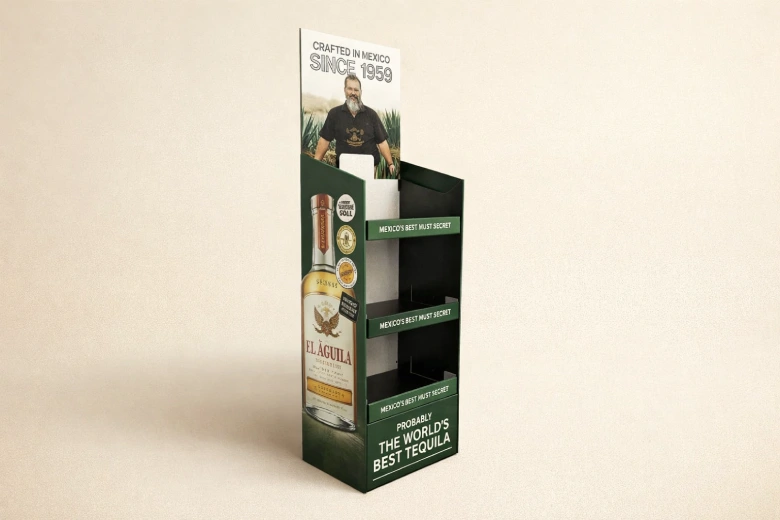
Floor display boxes are large, freestanding units built to get the attention in high-traffic areas of retail stores. Their size and structure make them ideal for displaying bulk items or a wider range of products within a single display.
These boxes are especially effective for promotions, seasonal campaigns, or product launches, as they provide ample space for branding and messaging.
POP Display Boxes (Point of Purchase)
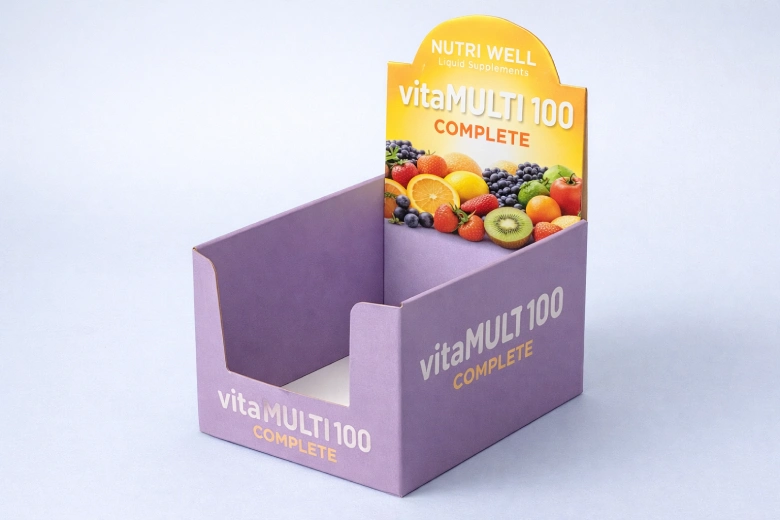
POP display boxes, or point-of-purchase displays, are purposefully positioned near checkout zones or key decision-making areas to influence customers right before they make a purchase.
Their main goal is to capture attention at the last moment and encourage instant buying decisions.
They are widely used for promotional items, limited-time offers, or newly launched products that need immediate visibility.
End Cap Display Boxes
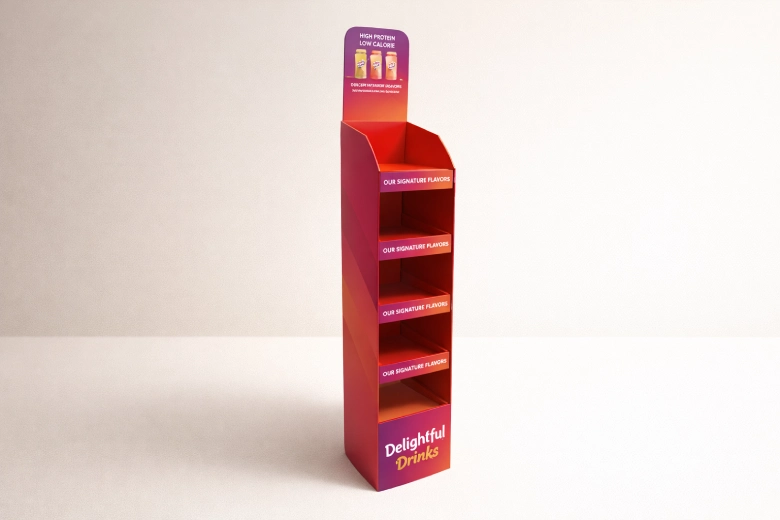
End cap display boxes are placed at the ends of retail aisles, which are considered some of the most valuable and visible spots in a store. As they can be seen from multiple directions, these displays naturally attract more attention compared to regular shelf placements.
They are mainly effective for showcasing featured, discounted, or seasonal products. It helps brands stand out in a rushed retail environment.
Front Cut-Out Display Boxes
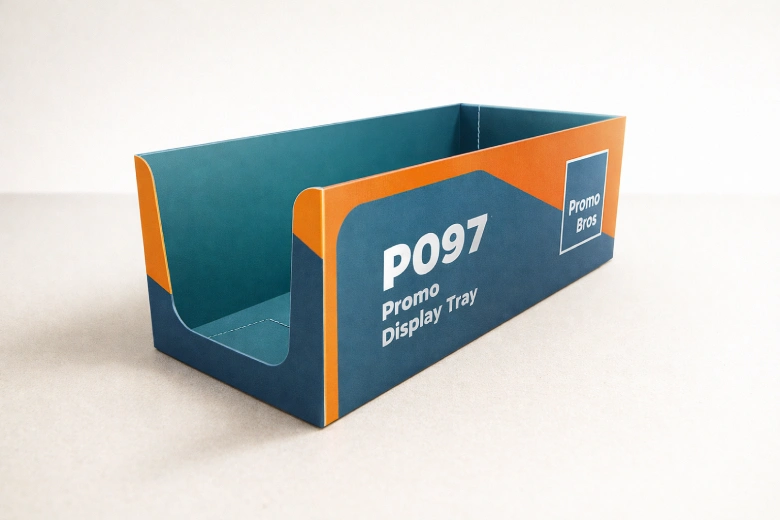
Front cut-out display boxes are designed with an open-front structure that allows customers to easily see and access the products inside. This design increases product visibility while also making picking up easy, which is very important in fast-paced retail settings.
They are widely used for snacks, small retail items, and other fast-moving consumer goods where convenience and visibility are essential.
Custom Dispenser Boxes
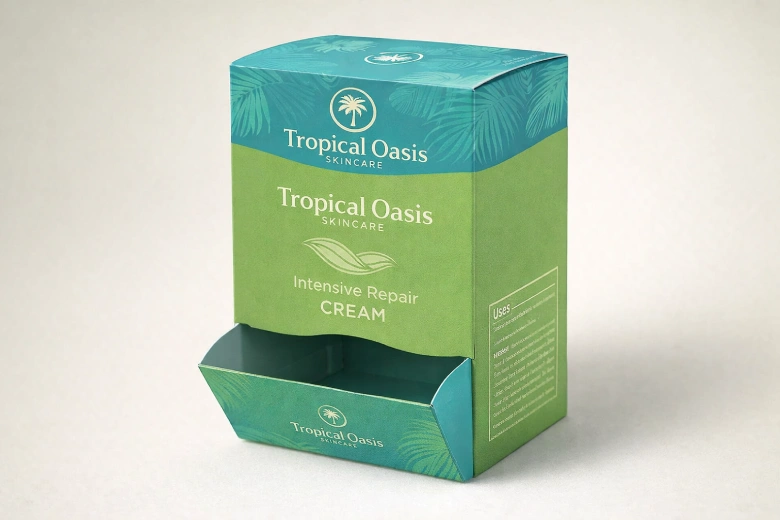
Custom dispenser boxes are specifically designed to provide controlled access to products. It allows them to be dispensed one at a time by keeping products neatly organized.
Moreover, it lowers clutter, waste, and potential damage. Its common applications include tea bags, wipes, sachets, and other small packaged goods where convenience and organization are important.
Kraft Display Boxes
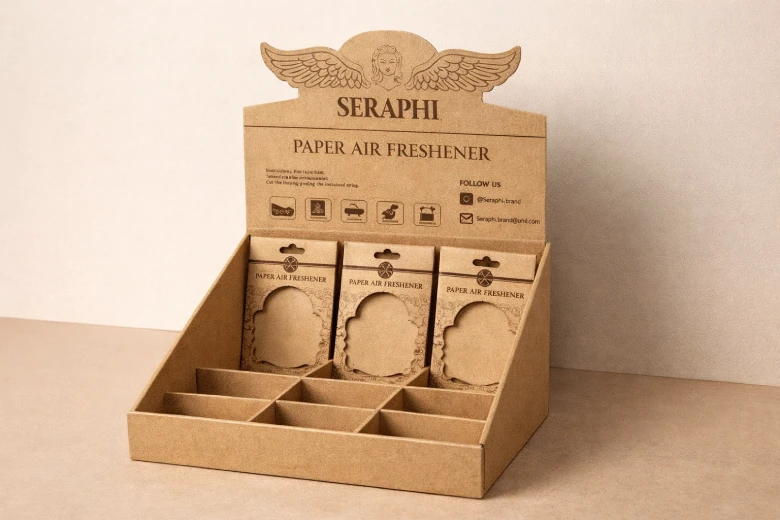
Kraft display boxes are crafted from eco-friendly, unbleached materials. This makes them a perfect choice for brands that want to highlight sustainability. These boxes are fully recyclable and biodegradable, and can also be customized into a variety of display styles to meet different retail needs.
They are especially popular with organic, handmade, and eco-focused brands that want their packaging to reflect their values and spirit.
Materials Used in Display Boxes
The material you choose for your display box plays a direct role in how your custom display boxes look, feel, and perform in a retail setting. In fact, the right material can instantly affect how customers perceive your product, even before they check the price.
Let us take a closer look at the most commonly used materials in display packaging and how each one fits different product and retail needs.
Cardboard (SBS)
Cardboard is one of the most popular choices for display boxes, and for good reason. It is lightweight, affordable, and easy to customize, which makes it perfect for retail environments.
The smooth surface also allows for high-quality printing, so your colors, logos, and branding really stand out. If your goal is to create an attractive shelf presence without increasing costs too much, cardboard is usually the go-to option.
Kraft Paper
Kraft paper is what many people call the “natural” or eco-friendly option. It has that raw, earthy look that instantly gives off a sustainable and organic feel.
This makes it especially popular among brands that want to highlight environmental responsibility. It is also surprisingly strong and durable, so you are not sacrificing performance for sustainability. If your brand focuses on clean, minimal, or eco-conscious products, kraft display boxes are a great fit.
Corrugated Board
Corrugated boards are all about strength. It is built with multiple layers, including a fluted middle layer that adds extra support and durability. This makes it ideal for heavier products or larger display setups like floor displays.
It also handles shipping well, so your products stay protected from the warehouse to the retail floor. If you need something tough and reliable, corrugated is a solid choice.
Rigid Board
A rigid board is the premium option when you want your product to feel high-end. It is thicker, more solid, and does not easily bend, which gives it a luxury look and feel.
You will often see rigid boxes used for cosmetics, electronics, or other upscale products where presentation matters just as much as the product itself.
If your goal is to create a strong first impression and upgrade your brand image, rigid display boxes are worth considering.
How Display Boxes Improve Product Sales?
Display boxes actually shape how customers notice your product, what they will think about it, and decide whether they want to buy it or not. In a busy store where people are quickly scanning shelves, a well-placed and neatly arranged display can be the reason someone stops and pays attention instead of just passing by.
It also comes down to how easy you make things for the customer. When a product is clearly visible and simple to pick up, people are much more likely to grab it without overthinking. There is no effort, no confusion, just a quick decision.
On top of that, a clean and well-branded display makes the product feel more trustworthy and put-together. Plus, in retail, that small sense of trust is mostly what turns a quick glance into an actual purchase.
Industries That Use Display Boxes
Display boxes are highly versatile and widely used across multiple industries where product visibility and accessibility play a key role in driving sales.
- In the food and beverage industry, display boxes are commonly used for snacks, candies, energy bars, and bottled drinks, where eye-catching presentations can quickly influence impulse purchases.
- In cosmetics and skincare, brands rely heavily on display packaging to showcase products such as lipsticks, creams, and serums, as visual appeal and branding are essential for attracting customers.
- The CBD and wellness industry uses CBD display boxes to present oils, supplements, and topical products in a clean, organized, and trustworthy manner, helping build credibility with customers.
- In the retail accessories segment, items such as jewelry, small gadgets, and electronic accessories are often displayed in compact boxes that make browsing easy and appealing.
Beyond these, many other industries, from pharmaceuticals to stationery, benefit from display packaging.
How to Choose an Ideal Display Box?
With so many types of display boxes available, anyone can feel doubtful and confused about which one actually fits their product. The best way to simplify the decision is to match each type with how and where your product will be sold.
| Display Box Type | Best Uses |
| Countertop Display Boxes | Ideal for small, lightweight items placed near checkout areas to encourage impulse purchases |
| Floor Display Boxes | Best for bulk products or promotional setups in high-traffic retail spaces |
| POP Display Boxes | Perfect for product launches, limited-time offers, and promotional campaigns |
| End Cap Display Boxes | Great for featured or seasonal products at the end of store aisles |
| Front Cut Out Display Boxes | Suitable for grab-and-go items where visibility and easy access matter |
| Dispenser Boxes | Used for products that need to be dispensed one at a time in an organized way |
| Kraft Display Boxes | Ideal for eco-friendly, organic, or sustainable product lines |
Common Mistakes to Avoid
Even the best display box concepts can fall short if they are not executed properly. One of the most common mistakes is choosing weak materials for heavy products, which can lead to structural failure, damaged items, and an overall poor presentation in-store. No matter how good the design looks, if the box cannot support the product, it quickly loses its effectiveness.
Another frequent issue is overcomplicating the design. While it is tempting to include bold graphics, multiple colors, and excessive elements, too much visual clutter can overwhelm customers and dilute your core message. A clean, focused design often performs much better in a retail setting.
Ignoring retail space dimensions is also a critical mistake. A display box that does not fit properly on shelves, counters, or designated store areas can disrupt the layout and may even be rejected by retailers. Proper sizing and planning are essential to ensure seamless placement.
Lastly, poor structural planning can create problems during both assembly and usage. If a display box is difficult to set up or unstable over time, it can frustrate retailers and negatively impact the customer experience. A well-thought-out structure provides ease of use, durability, and consistent performance in real-world retail environments.
A Short Comparison: Display Boxes vs Dispenser Boxes
Although display boxes and dispenser boxes are often used interchangeably, they serve different purposes. Display boxes are primarily designed for visibility and presentation, helping products stand out on shelves or counters through attractive design and branding. They are especially effective in high-traffic areas where catching customer attention and encouraging impulse purchases is the main goal.
On the other hand, dispenser boxes focus on functionality and controlled access. This allows products to be dispensed one at a time in a neat and organized way. This makes them ideal for frequently used items like sachets, wipes, or small packaged goods. Today, many brands combine both features into hybrid designs. This offers strong visual appeal along with convenient dispensing to heighten both presentation and user experience.