
A packaging box is more than product protection. It’s branding, logistics, sustainability, and customer experience rolled into one. The right box can reduce costs, boost sales, and elevate your brand. The wrong box can damage products, frustrate buyers, and weaken your reputation.
So, how to choose the right packaging box for your product?
This guide breaks down every factor you need to consider when choosing packaging boxes. From product fit to eco‑friendly materials, from durability tests to unboxing rituals — you’ll learn not just what to choose, but why it matters.
Key Steps to Choosing the Right Packaging Box
The right packaging box depends on your product’s size, fragility, branding goals, and logistics. Follow these key steps to choose the right one.
Step 1: Start with Your Product’s Physical Needs
Every box decision begins with the product itself. Start by understanding your product’s physical needs.
- Size & Shape: A snug fit prevents wasted space and reduces shipping costs. Oversized boxes increase dimensional weight charges by up to 30%.
- Weight & Fragility: Heavy items need reinforced corrugated or rigid boxes. Fragile goods benefit from inserts, dividers, or foam linings.
- Usage Context: Retail packaging boxes focus on shelf appeal. Shipping boxes prioritize durability. Subscription boxes balance both.
Ignore this step, and even the most beautiful box will fail. Remember, your box must fit the product perfectly before you add style or branding.
Step 2: Match Box Style to Function
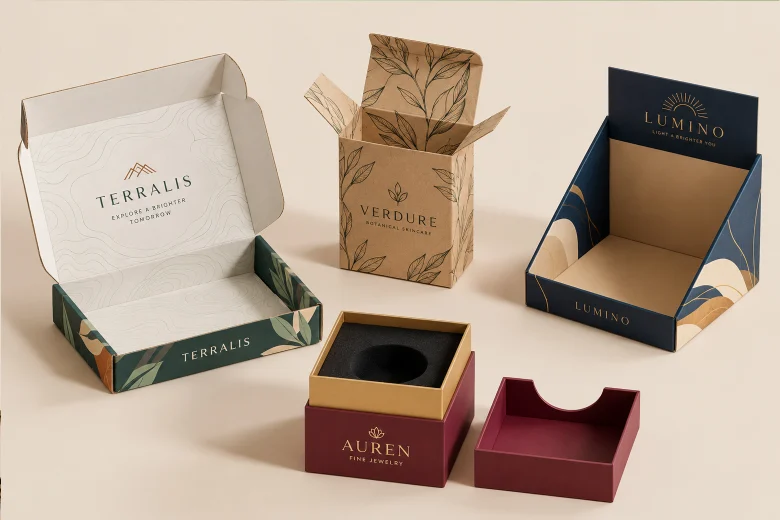
Box style is more than looks. It defines how your product travels, how it’s displayed, and how customers interact with it.
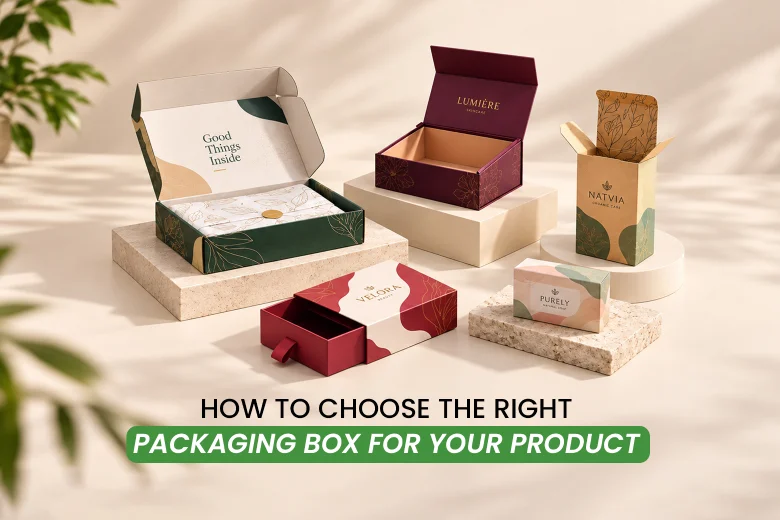
Here are the main popular packaging box options.
Mailer Boxes
These boxes are typically made from corrugated cardboard. They fold into a sturdy rectangular shape with double-wall sides, and the lid tucks into the front panel for secure closure.
Style Notes:
- Clean, modern look.
- Large printable surfaces for branding.
- Preferred in subscription boxes and e‑commerce packaging.
Folding Cartons
These cartons are made from lightweight paperboard. They arrive flat and fold into shape with glued seams. The top and bottom flaps tuck in or lock for closure.
Style Notes:
- Slim, compact, and cost‑efficient.
- Ideal for cosmetics, supplements, and retail items.
- High‑quality printing is possible on smooth surfaces.
Rigid Boxes
Rigid boxes are constructed from thick chipboard/greyboard wrapped in decorative paper. Heavy and durable, these boxes offer maximum protection. They are non‑collapsible and come pre‑assembled (except the collapsible versions). Popular options include two‑piece (lid and base), magnetic closure, or drawer/pull‑out.
Style Notes:
- Premium, luxury feel.
- Often used for jewelry, watches, perfumes, and electronics.
- Add perceived value to the product.
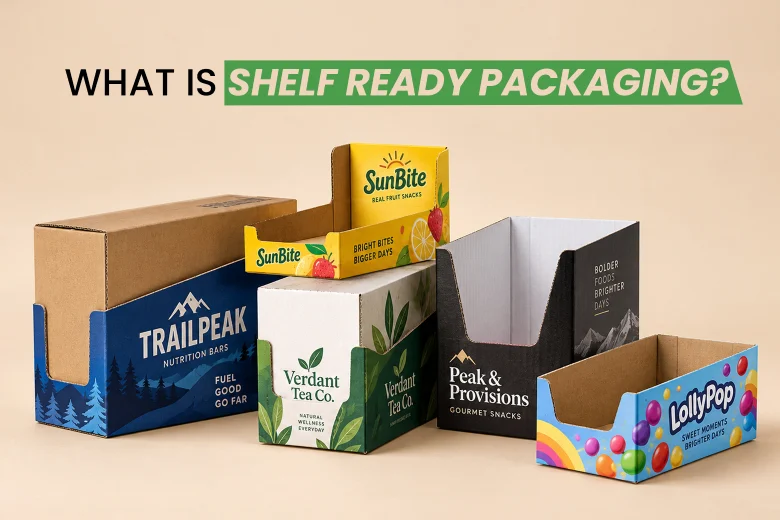
Display Boxes
These boxes offer an open-front layout for retail shelves. They are lightweight as they are usually made of paperboard or corrugated.
Style Notes:
- Focus on visual merchandising.
- Encourage impulse buying by showcasing multiple products.
- Common in food, toys, and cosmetics.
Kraft Boxes
Made from unbleached kraft paper or corrugated kraft board, they offer a rustic, natural brown finish. These boxes are eco‑friendly and biodegradable.
Style Notes:
- Minimalist look, often paired with earthy branding.
- Popular for organic products, handmade goods, and eco‑brands.
Box Types Overview
| Box Type | Best For | Strengths | Limitations |
| Mailer Boxes | E‑commerce shipping | Strong, protective, easy branding | Slightly higher cost than cartons |
| Folding Cartons | Retail cosmetics, food, toys, supplements | Lightweight, cost‑efficient, high print quality | Less durable for shipping |
| Rigid Boxes | Luxury goods | Premium feel, strong durability | Slightly expensive |
| Display Boxes | Retail shelf appeal | Eye‑catching, drive impulse purchases | Limited protection |
| Kraft Boxes | Eco‑friendly branding | Recyclable, rustic appeal | Less premium look, limited finishes |
Step 3: Choose the Right Material
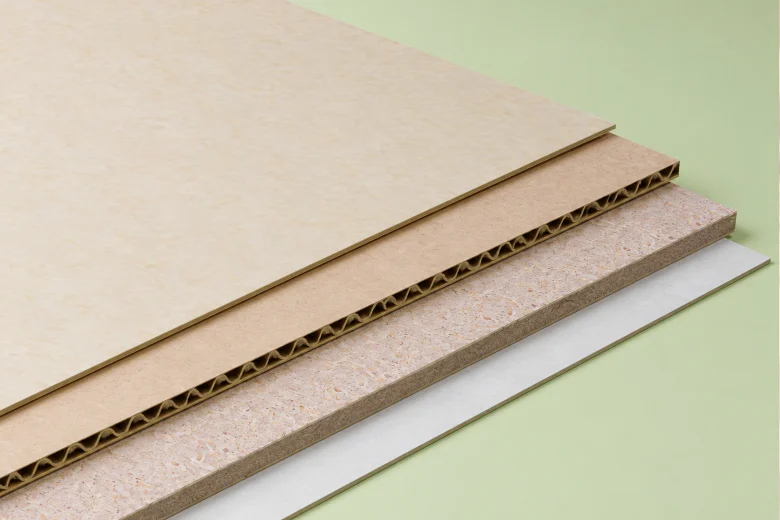
Material defines strength, sustainability, and print quality. It is the backbone of your packaging box.
- Paperboard: Lightweight, recyclable, excellent for high‑quality printing. Best for folding cartons and retail packaging.
- Cardboard: Widely used for cartons and custom packaging boxes. It balances affordability with durability and can be easily printed or laminated.
- Kraft: Rustic, eco‑friendly, biodegradable. Appeals to sustainability‑focused buyers and natural product brands.
- Corrugated: Strong, protective, and versatile. Available in single-, double-, or triple-wall for shipping boxes.
- Rigid Stock: Thick, durable, premium presentation. Often wrapped with decorative paper for luxury packaging.
Material choice is where cost, sustainability, and branding intersect. Pick wisely.
Step 4: Evaluate Protection & Durability
Protection is non‑negotiable. Damaged goods mean returns, refunds, and lost customer trust.
- Edge Crush Test (ECT): Measures the box’s stacking strength. Essential for warehouse storage.
- Burst Strength: Tests resistance to puncture or tearing. Critical for fragile items.
- Full Overlap (FOL) Boxes: Provide extra crush resistance. Ideal for heavy or delicate products.
Durability tests aren’t technical factors— they are your insurance against product loss.
Step 5: Align with Branding & Customer Experience
Your packaging box speaks before the product is touched. Make sure it aligns with your branding and customer experience.
Here’s how.
Choose the Printing & Finishes
Printing communicates your brand story. Finishes elevate perception, making even simple packaging feel premium. Together, they transform a box into a brand experience.
Printing Methods:
- Offset printing delivers sharp, vibrant colors.
- Digital printing is cost‑effective for short runs and customization.
- Flexographic printing works well for corrugated boxes with bold graphics.
Finishes:
- Matte lamination gives a soft, elegant feel.
- Gloss lamination adds shine and vibrancy.
- Foil stamping creates metallic highlights.
- Embossing and debossing add texture and depth.
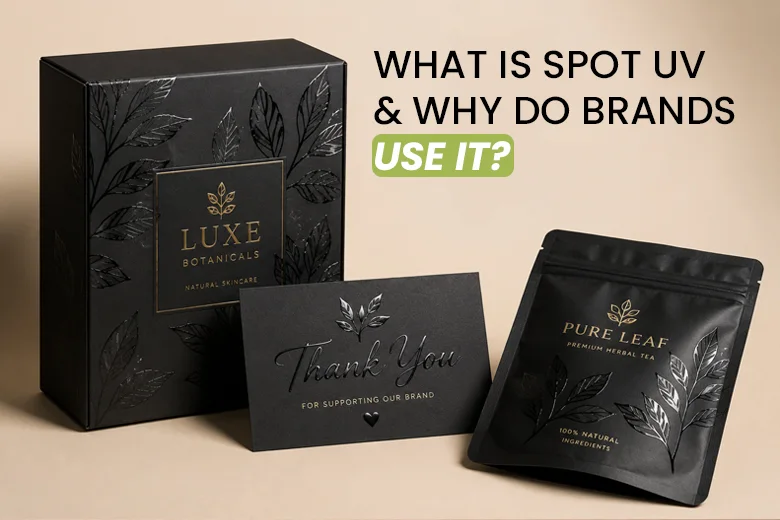
- Spot UV draws attention to specific design elements.
Focus on the Unboxing Ritual
Customers often share unboxing experiences on social media, amplifying your brand reach. A well‑designed subscription box with inside printing or branded tissue paper turns delivery into an event. Plus, unique styles like drawer boxes, two piece boxes, or magnetic closures add drama and anticipation.
Consistency Across Product Lines
A unified box style builds recognition. Whether it’s a kraft aesthetic or a luxury rigid box, consistency reinforces trust. Also align typography, colors, and finishes across all packaging boxes to create a consistent brand identity.
Consider Emotional Connection & Storytelling
Colors influence perception: green signals eco‑values, black conveys luxury, white suggests purity. Consider including storytelling elements like QR codes, sustainability icons, or short brand messages to deepen engagement.
Step 6: Consider Logistics & Sustainability
Your packaging box must balance efficiency with eco‑responsibility.
Here’s what to consider.
- Shipping Efficiency: Foldable designs reduce dimensional weight and storage costs.
- Storage: Compact boxes save warehouse space.
- Eco‑Friendly Options: Recyclable, biodegradable, or compostable materials appeal to modern buyers.
In short, sustainable packaging isn’t just ethical — it is a competitive advantage.
Step 7: Balance Your Budget & Box Functionality
Cost matters, but functionality defines value. A cheap box often costs more in the long run. Let’s compare the options.
| Box Type | Cost Range | Functionality |
| Mailer Box | Medium | Strong, protective, customizable |
| Folding Carton | Low | Lightweight, high print quality |
| Rigid Box | High | Premium durability, luxury appeal |
| Display Box | Medium | Eye‑catching, shelf appeal |
| Kraft Box | Low‑Medium | Eco‑friendly, rustic look |
Insights:
- Mailer boxes cost more than folding cartons but reduce returns from damaged goods.
- Rigid boxes are expensive but elevate perceived product value, often justifying higher retail prices.
- Kraft boxes balance affordability with eco‑branding, appealing to sustainability‑focused buyers.
Smart budgeting means balancing protection, branding, and sustainability without overspending.
Common Mistakes in Choosing the Ideal Box
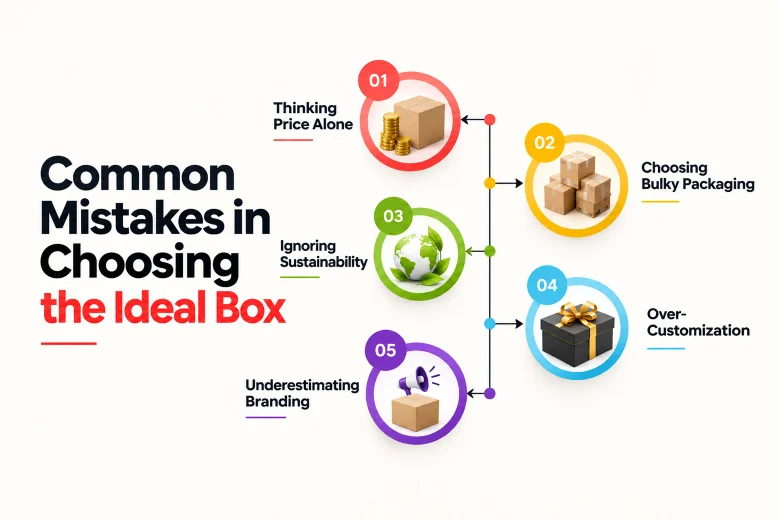
Every box choice has consequences. Recognizing the risks helps you avoid costly mistakes.
- Thinking Price Alone: Cheap boxes lead to damaged goods, higher returns, and poor impressions.
- Choosing Bulky Packaging: It can increase shipping costs by up to 20% due to dimensional weight pricing.
- Ignoring Sustainability: Risks alienating eco‑conscious buyers and missing out on loyalty.
- Over‑Customization: Excessive finishes raise costs and may not add proportional value.
- Underestimating Branding: Plain boxes save money but miss opportunities to build brand recognition.
Your custom packaging boxes are a business investment. Cutting corners often costs more in lost sales, damaged goods, and weakened brand perception.
The Takeaway
No doubt, choosing the right packaging box is a strategic business decision. It protects your products, reduces costs, enhances branding, and builds customer loyalty.
Start with product needs, match style to function, select the right materials, and test durability. Don’t forget to align with your branding, optimize logistics, balance budget, and avoid risks.
Follow these steps, and your packaging box won’t just hold products—it will represent your brand professionally.
FAQs
What is the most cost‑effective packaging box for retail products?
Folding cartons are usually the most affordable option. They are lightweight, easy to print on, and ideal for cosmetics, supplements, and small retail items.
Which box style is best for e‑commerce shipping?
Mailer boxes made from corrugated are the safest choice. They protect products during transit and offer plenty of space for branding.
How do I choose packaging for luxury items?
Rigid boxes are the go‑to for premium goods. They provide durability, a high-end look, and elevate the product’s perceived value.
How to choose the right packaging box?
Start with product needs, match style to function, select the right materials, and test durability. Don’t forget to align with your brand, optimize logistics, balance your budget, and avoid risks.